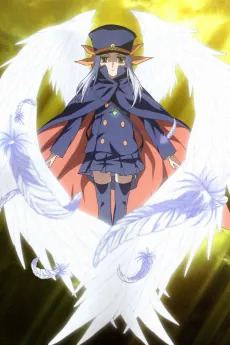
A spirit with no memory of its sin inhabits a dead boy's body, and has to live his life long enough to remember what it did wrong. The film doesn't punish you with answers. Instead, it sits with the unbearable weight of existing in someone else's skin, watching their pain become yours, understanding slowly that cruelty is just people breaking under the pressure of being alive. By the end, you're not thinking about reincarnation or cosmic justice. You're thinking about the kid sitting next to you in class, and whether you've ever stopped to ask if they're okay.
A soul turned away from the cycle of rebirth for an unnamed sin is told by an angel that it has won a lottery and gets another shot at life. It is placed in the body of Makoto Kobayashi, a 14-year-old who has just taken his own life, and has six months to work out the gravest wrong of its former existence. Reluctant to go on living as Makoto, the soul is troubled by the boy's grim circumstances and by the fact that the body is not its own. Slowly it starts to notice how complicated people's feelings and actions are. The film is a supernatural slice-of-life drama about fractured families and suicide, adapted from Mori Eto's prize-winning novel.