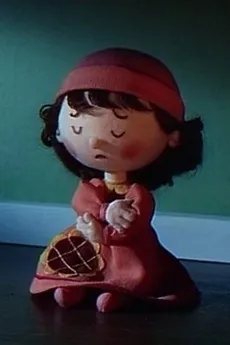
Stop-motion work at this level, every frame a deliberate choice, every movement weighted and real, turns a simple fairy tale into something that lives in your chest. The wolf isn't a villain in a story you've already heard. It's a creature with its own hunger, and the old man's mercy becomes the real question the film keeps asking. By the end, you're not sure which one you were rooting for.
Dongguo Xiansheng is a stop motion puppet film that adapts a well-known Chinese fairy tale. The story centers on an old man and a wolf, brought to the screen through handcrafted puppetry rather than drawn animation. Released as a single film, it retells a traditional folk tale in miniature, tactile form.
WHERE TO WATCH
Streaming Dongguo Xiansheng legally, as of the last catalog refresh. Availability changes by region.
YouTubeTencent Video