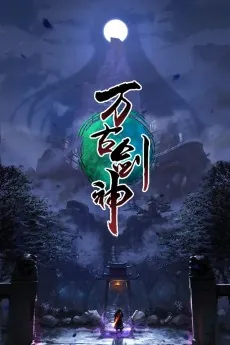
A swordmaster at the peak of his power gets crippled right before he transcends. The show takes that devastation seriously. It doesn't rewind or undo it; it builds the entire narrative on the weight of that single moment, watching someone legendary have to find a reason to fight when the dream is already dead. The resurrection isn't about regaining what was lost. It's about becoming something else entirely, something the world didn't see coming because even the protagonist didn't.
A swordsman who has outclassed everyone in swordplay since birth is crippled just before he reaches the very top, yet his legend is set to rise again. In the world of Jiuyou, Shen Zhenyi, third son of Abandoned Sword Villa, obtains the ancient Wan Zang Sword Sutra, and martial artists everywhere covet it. Minyiren, leader of the Demon Sect, battles him over the sword, and Shen Zhenyi vanishes. A year later the villa opens its gates again, and he offers to teach the sutra to disciples himself, stunning the martial world. Chu Huoluo, a young woman from Lieyang Mansion, becomes his apprentice by chance. As master and student work through a mystery, danger quietly builds, and it all traces back to an old legend known as Zhanyue Feixian. The story plays out as an action fantasy adventure across 26 episodes.
WHERE TO WATCH
Streaming Everlasting God of Sword legally, as of the last catalog refresh. Availability changes by region.
YouTubeYouku