You're watching someone's entire life unfold across photographs that were never meant to be animated, never meant to be art. The hand-drawn motion doesn't glorify or sentimentalize, it just lets you sit with her, moment by moment, until you're at the funeral looking at the same photograph the family is. This is what it costs to make something true about grief: you have to be willing to move slowly enough that people can actually feel it.
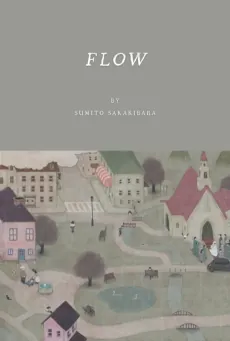
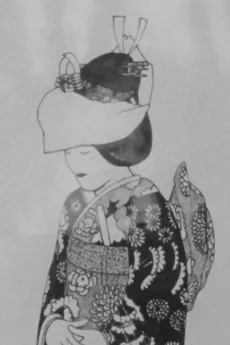
An artist lays animation over photographs of their grandmother, following the course of her life from one still image to the next. Drawn movement and real pictures share the frame, turning family snapshots into a documentary portrait. A calm, tranquil mood carries the whole film. It closes on the memorial photograph that was displayed at her funeral.