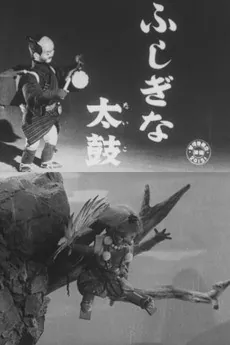
This is a folk tale told by hands that know how to move. Kitayama's animation doesn't just illustrate the story, it is the story, every gesture deliberate, every frame earned. You watch an old couple grieve their dog and a neighbor's greed poisoned by his own envy, and the animation makes you feel the weight of both. The magic isn't in plot twists. It lives in how a frame can hold kindness and cruelty at once, in the space between what people want and what they deserve.
An old couple with no children finds unexpected fortune when their beloved dog digs in the garden and they uncover a box of gold. A greedy neighbor, convinced the dog can sniff out treasure, borrows it hoping to repeat their luck. When the animal digs up nothing but bones on his land, he kills it and tells the couple it simply died. Grief-stricken, the couple buries their dog beneath the fig tree where the gold was found. One night, the old man dreams that the dog tells him to cut down the tree and make a mortar from its wood. When the couple follows this guidance, rice placed in the mortar turns to gold. This short film is an early animated retelling of a Japanese folktale by pioneering animator Kitayama Seitarou, a moral story that sets kindness against greed. It is now considered lost.