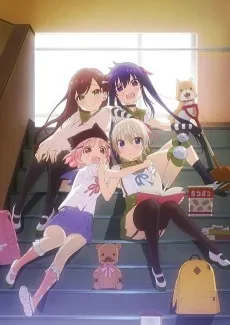
Satou loves Shio with a purity that destroys everyone around them, and the show refuses to let you feel good about it. Every frame is designed to make you complicit, to catch you rooting for someone committing atrocities in the name of devotion. By the finale, you understand that "happy sugar life" was never about happiness at all, it was always about the price of needing someone more than you need your own humanity.
Satou Matsuzaka is a beautiful high schooler known for being easy with boys, moving from one to the next. Then she meets Shio, a young girl, and becomes convinced that what she feels is true love for the first time. They share an apartment in secret, and Satou tells others she lives with her aunt. Behind her sweet, innocent look, Satou will go to any length to keep their shared life safe, killing included. Questions hang over how Shio came to be with her and how long their happy sugar life can last. The result is a psychological horror drama with romance and mystery at its core.
WHERE TO WATCH
Streaming Happy Sugar Life legally, as of the last catalog refresh. Availability changes by region.
Amazon Prime Video