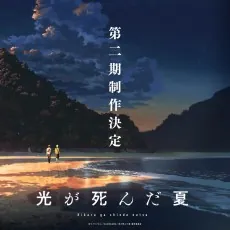
Anime Like Hikaru ga Shinda Natsu 2nd Season
光が死んだ夏 2
Manga · R - 17+ (violence & profanity)
37,400 members
HorrorMysteryPsychologicalSupernaturalThriller
// SYNOPSIS
The second season of The Summer Hikaru Died returns to Yoshiki and Hikaru, two best friends who grew up inseparable in a rural Japanese village. Their bond was shaken when Hikaru came back from the mountains no longer himself, with something having taken over his body, memories and feelings. The new season continues that story as a supernatural horror and psychological thriller built around mystery.
TAGS
Body HorrorCosmic HorrorRuralMonster BoyUrban FantasyMythologyCursesTragedyBoys' LoveSeinenMale ProtagonistLGBTQ+ Themes
// WATCH.NEXT
IF YOU LOVED HIKARU GA SHINDA NATSU 2ND SEASON, WATCH THESE NEXT




not sure what you're in the mood for? browse 40 house lineups.


