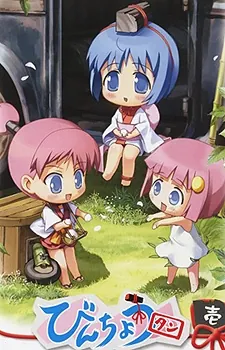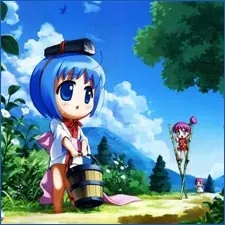
Binchou-tan just lives. No narrative, no conflict, just a girl filling a water barrel and letting the rain do half the work for her. The entire film is permission to stop moving, to watch someone exist in real time without needing a reason or a plot to justify it. By the end you realize you weren't waiting for something to happen, you were waiting to feel this still.
Binchou-tan wakes in her tattered wooden hut to find her water barrel nearly empty. She heads first to the nearby stream, but its rushing water has turned brown, so she walks the path toward town past green fields. In the central marketplace she finds an old water pump and fills her wooden bucket. Rain begins to fall on her way home, and she lets it fill the bucket to the brim, readying herself for the next day of work. The whole piece is a four-minute slice-of-life music video.