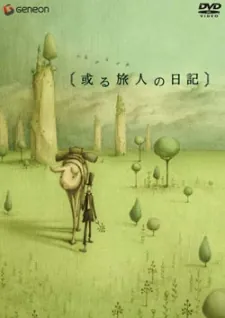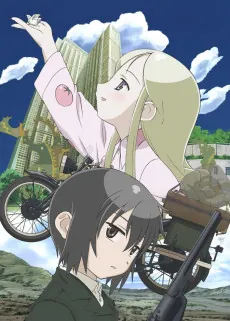
Kino enters a country frozen in ritual and leaves you standing in it too, watching the same quiet catastrophe repeat. The film trades the TV series' weird detours for something sharper: a single idea about mercy and cruelty that doesn't announce itself until the last frame, then rewrites everything you just watched. You don't need to know Kino to feel this one, but you'll understand why people follow her across worlds after it ends.
Kino and Hermes reach a country split in two. Outside lie abandoned farmland and wastes dotted with ruined buildings, while a spotless, highly advanced city sits hidden inside a mountain beneath an artificial sky. The city is devoted to healthcare and enforces strict hygiene rules meant to make its people as healthy as possible. Still, a faint odd smell in the air and the absence of birds leave Kino uneasy. In the city, Kino meets a young girl whose illness is under constant study, though she does not know what that research actually involves. The film adapts a story from the fifth volume of the Kino no Tabi light novels and blends fantasy, adventure and drama.