Anime Like Kokka Kimigayo
国歌 君が代
MOVIE · 1 eps · 3 min/ep · Original · G - All Ages
AniList 42/100 · MAL 4.78/10 · Ranked #14,775 · 2,435 members
// SYNOPSIS
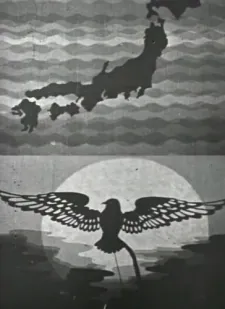
A short film from 1931 set to the Japanese national anthem, pairing the song with animated scenes drawn from Japanese myth. As the music plays, a chrysanthemum crest unfolds to show the creator gods Izanagi and Izanami on the heavenly bridge, where drops falling from their spear become the islands of Japan. The sun goddess Amaterasu hides in a cave after her brother Susanoo's violence, until Ame no Uzume dances outside and Tajikarao pulls the stone door aside to let the light return. A golden kite drives off evil spirits, and the three sacred treasures appear.
WHERE TO WATCH
Streaming Kokka Kimigayo legally, as of the last catalog refresh. Availability changes by region.
Japanese Film ArchivesTAGS
HistoricalAchromaticMusic
// WATCH.NEXT
IF YOU LOVED KOKKA KIMIGAYO, WATCH THESE NEXT






not sure what you're in the mood for? browse 40 house lineups.


