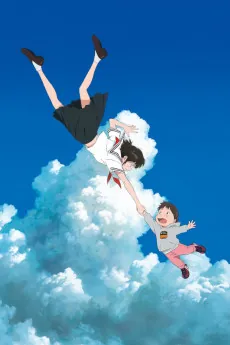
You watch this and understand why Miyazaki built a museum just to show things like this. Life cycles through creatures in a space where nothing is permanent, nothing is wasted, and the visual language does all the talking. There's no plot to follow, no message to decode, just the pure act of watching transformation happen on screen, over and over, until you stop thinking about what anything means and just feel it. The animation doesn't serve a story here. It is the story. This is what happens when you have animators with nothing to prove and a museum full of people willing to sit in the dark and watch something utterly strange unfold.
A strange and colorful ecosystem unfolds on screen, where odd creatures come into being, feed, become food for others, and then return to life again in a cycle without end. The short was made for Film Guru Guru, a program of animated shorts screened at the Ghibli Museum in Mitaka. It offers a brief fantasy adventure through a world of unusual beings caught in a loop of birth, appetite and renewal.