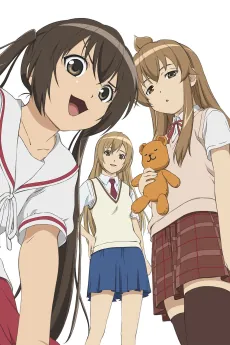
Nobody talks about this one. The Miyakawa sisters exist in a pocket of Lucky Star that the original never bothered with, watching poverty happen to people who stay kind anyway, watching a broke older sister fail at adulting while her little sister just accepts it. Hinata's waste and Hikage's quiet resignation aren't played for tragedy or moral lessons. They're just how these two live. The show finds comedy in the specific texture of having nothing, and tenderness in the fact that they're stuck with each other anyway. It's small enough to be ignored and warm enough that ignoring it feels like a mistake.
Hinata Miyakawa spends money freely, which leaves her and her younger sister Hikage living in poverty. The episodes split between the sisters' cash-strapped routine at home, where they get by despite the financial ruin that comes with Hinata's otaku spending, and Hikage's days at elementary school. A spin-off of Lucky Star, the short comedy ONA plays everyday money troubles and sibling life for laughs in a slice-of-life style. It first streamed on Ustream and was later packaged on DVD with the limited edition of the tenth volume of the Lucky Star manga, marking the franchise's tenth anniversary.