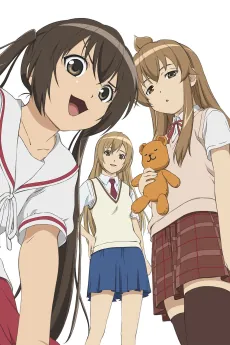
Miya walks into that estate armed with every Cinderella instinct she's got, bracing for cruelty, scripting her own misery before anyone says a word. Then the stepmother doesn't sneer and the stepsisters don't scheme, they're just... nice, and watching Miya's paranoia crumble scene by scene is the whole joke and the whole heart of it. This isn't parody for cheap laughs, it's a genuine Cinderella reimagining that respects the fairy tale bones while flipping the cruelty switch off, and the comedy lands because these women are actually charismatic, not just "not evil." No tragedy lurking around the corner, no twist villain, just a cozy, disarming comfort watch that trusts kindness to be funny and moving on its own. If you've ever wanted the stepfamily to just be good people for once, this is the receipt.
Miya is the illegitimate child of a prominent family. After her mother dies, her father's household agrees to take her in, and she is certain she knows what her new life will look like: servitude and misery under a wicked stepmother and cruel stepsisters. When she finally meets the women she expects to mistreat her, they turn out to be sweet instead. What follows is a lighthearted slice of life comedy built on that surprise.
WHERE TO WATCH
Streaming My Stepmother and Stepsisters Aren’t Wicked legally, as of the last catalog refresh. Availability changes by region.
Amazon Prime VideoYouTubeVikiiQ