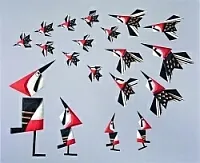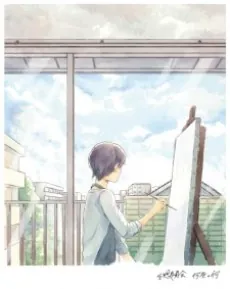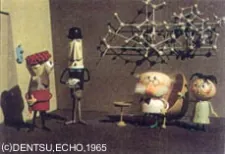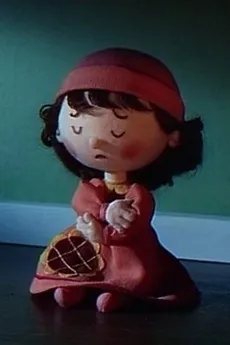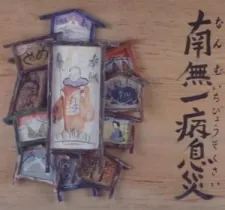
A 1973 cut-out animation experiment that refuses to sit still, built entirely around a song instead of around dialogue. The music doesn't underscore the visuals, the visuals exist to move with it, moment by moment. Okamoto's stop-motion collages shift and breathe in time with Oikawa's voice, treating animation like a visual instrument instead of a container. The form is so committed that if you weren't paying attention, you might miss how radical the choice was. Fifty years later, almost nobody has seen it. That's the real crime.
Nanmu Ichibyou Sokusai is a 1973 animated film by Okamoto Tadanari, created with stop-motion cut-out animation. Its narration is sung by Oikawa Kouhei rather than spoken, so music sits at the center of the film, in keeping with its Music genre label. Viewers curious about Japanese cut-out animation from the early 1970s may find it worth seeking out.