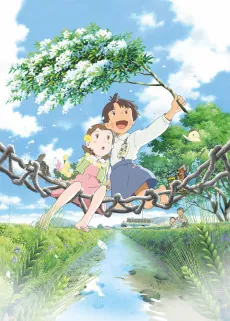
A woman returns to her childhood home and spends two hours remembering why she stopped being herself. The film moves at the speed of memory, not plot, which means you either surrender to it completely or fight it the entire runtime. Takahata films the mundane so precisely that a girl eating a pineapple for the first time becomes devastating, the kind of movie that makes you sit alone after it ends, turning over your own choices.
Taeko Okajima is a 27-year-old office worker who has spent her whole life in Tokyo. Wanting a break from the city, she takes time off to help with the harvest in rural Yamagata Prefecture, her brother-in-law's hometown. On the train there, vivid memories of her fifth grade year return, as if her childhood self were traveling beside her. A young farmer named Toshio meets her at the station, and the two soon become friends. Working in the fields among welcoming relatives and villagers, Taeko learns both the hardships and the pleasures of farm life and sees how country living differs from the city. More memories surface as she stays, and the kindness around her leads her to reconsider the path her life has taken. The film is a nostalgic slice-of-life drama with a thread of romance, weighing the dreams Taeko had as a girl against the woman she has become.
WHERE TO WATCH
Streaming Only Yesterday legally, as of the last catalog refresh. Availability changes by region.
NetflixMax