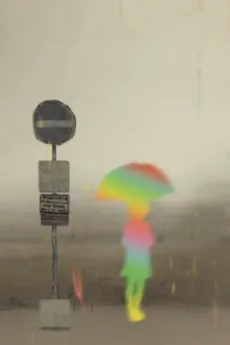
The emotional weight hits because it's not trying to be a story at all, just two people saying thank you to someone gone, in a moment when the world stopped moving. A personal shopper and a stranger find the same dead doctor in their grief, and the film sits with them there instead of rushing to meaning. What makes it irreplaceable is the specificity: it captures what gratitude actually feels like when you're standing still in 2020, with nothing but time and loss.
During the height of the pandemic in 2020, two people navigate their grief and gratitude in separate spaces. One reflects on a doctor who has passed, channeling loss into something meaningful. The other, working as a personal shopper, processes similar emotions through their everyday interactions and the small kindnesses that define their job. These parallel stories unfold against the backdrop of a city forced to slow down, where isolation reshapes how we remember those we've lost and appreciate those still with us. Red captures intimate human moments in a world suddenly made fragile. The film moves between introspection and quiet observation, building emotional weight through understated interactions rather than grand gestures. What emerges is a meditation on how gratitude and remembrance take unexpected forms when normal life fractures. The tone is contemplative but never heavy, finding tenderness in routine and connection in separation. This is cinema for viewers drawn to character-driven narratives that find profound meaning in the spaces between major events, and who understand that sometimes the most powerful stories whisper rather than shout.