
Anime Like Soutai Sekai
ソウタイセカイ
Craftar · 2017 · ONA · 2 eps · 16 min/ep · Original · PG-13 - Teens 13 or older
AniList 51/100 · MAL 5.68/10 · Ranked #12,670 · 8,907 members
DramaSci-Fi
// SYNOPSIS
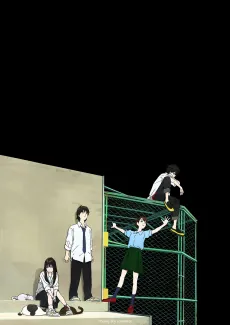
Set in Japan in 2020, this two-episode CG original from Craftar and Hulu Japan centers on Shin Hazama. His everyday routine, which he assumed could never change, splits open when another Shin appears, one who lived a different life in another version of Japan. With their world suddenly turned upside down, a group of boys and girls must decide what to believe and which way to go, and a fight against another world and their other selves begins.
TAGS
Full CGIAlternate UniverseIdol
// WATCH.NEXT
IF YOU LOVED SOUTAI SEKAI, WATCH THESE NEXT




not sure what you're in the mood for? browse 40 house lineups.


