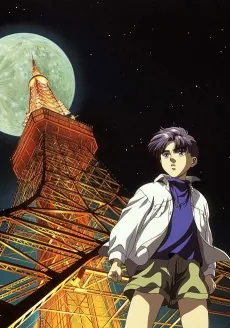
You're watching a man die backwards through his own life, and by the end you'll understand why he spent decades chasing something he never had. The twist isn't a plot device, it's the realization that some people build entire lives around a single moment of loss, and no technology can fix that. Two doctors playing god in someone's memories sounds like sci-fi window dressing until you realize they're just witnesses to a grief so quiet and complete it rewrites everything you thought you understood about his choices.
Two doctors stand at the threshold of an impossible task: they must journey backwards through the fragmented memories of a terminally ill man, rewriting his past to grant a final wish he never got to chase. Using experimental technology, they wade through decades of his life, piecing together moments both luminous and broken. What emerges isn't a simple story of wish-fulfillment. The deeper they venture into his consciousness, the more complicated his desire becomes. Love, regret, sacrifice, and the small choices that compound into a lifetime reveal themselves in unexpected ways. Each memory holds clues, and each clue reshapes what his wish actually means. This is science fiction as emotional archaeology. The narrative unfolds like you're discovering someone's truth alongside the doctors, watching their understanding transform as yours does. Quiet and contemplative, it asks what makes a life worth living and whether changing the past can heal the present. For those moved by character-driven stories that use speculative elements to say something genuine about memory and human connection, this hits with precision.