
Anime Like 100 Banme no Saru
100ばんめのサル
MOVIE · 1 eps · 20 min/ep · G - All Ages
Ranked #17,386 · 332 members
// SYNOPSIS
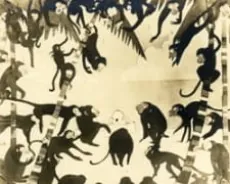
A small island in southern Japan becomes the setting for a famous tale about how ideas spread. One monkey figures out how to wash its food and passes the skill on to others. Once enough monkeys have learned it, a figure set at 100, the rest of the troop seems to know it all at once, and so does a separate group on another island. The film adapts Ken Keyes, Jr.'s 1981 book, which draws on a 1952 experiment on Kojima. Keyes treats this doubtful story as a parable for the antinuclear movement, arguing that change will arrive once enough people join together.
TAGS
AnimalsHistoricalKids
// WATCH.NEXT
IF YOU LOVED 100 BANME NO SARU, WATCH THESE NEXT






there's a lineup for this: anime to put on for the kids that won't melt your brain, 20 picks.


