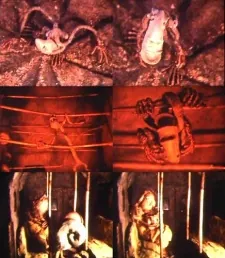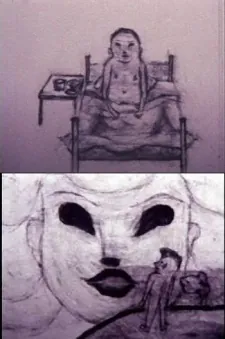
A man dies before he understands why. What follows isn't peace or judgment, it's a descent into his own fractured mind masquerading as the afterlife. The film doesn't explain what's happening to you because the protagonist doesn't know either, and that disorientation becomes the entire point. You're not watching a ghost story. You're inside a murder victim's last coherent thought as it dissolves into something beyond language. By the end, you won't be sure if he moved on or if moving on was always just a story we tell ourselves. This sits in your chest long after it's over.
A man lies dying, his life stolen by an assassin's blade. But death refuses to be simple. Caught between worlds, he drifts through a landscape where reality bends and logic shatters, unable to accept what has happened to him. His consciousness fractures across moments that never quite make sense: memories of the living world blur into visions of something beyond, and the boundary between what was and what might be dissolves entirely. This is a psychological descent dressed as a ghost story. The film moves through the dying man's fragmenting mind with the logic of dreams, where causality breaks down and emotion becomes geography. Scenes shift without transition. Time pools and scatters. Every image carries weight even when nothing connects. If you crave narratives that trust you to piece together meaning from atmosphere and imagery rather than exposition, if surreal horror fascinates you more than jump scares, this reaches directly into the space between consciousness and void. It's disorienting by design, refusing easy answers about death or redemption.