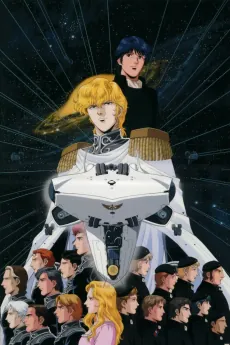
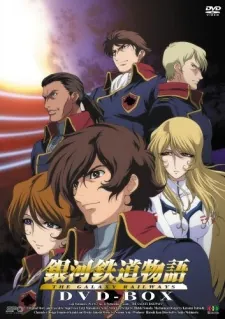
The world has aged, and so has Tetsuro, this isn't a victory lap through space, it's a man returning to a war he thought he'd already won. Rintaro takes the melancholy that lurked at the edges of the original and makes it the whole film, building something that feels like watching a hero discover the cost of survival was always higher than the price of death. The animation doesn't just support this; it carries the weight of it, every frame a reminder that some journeys don't end, they just become unbearable.
Two years after his first ride on the Galaxy Express 999, Tetsuro Hoshino is older and fighting the Machine People, whose empire still spreads across the galaxy even though its home world of Andromeda was destroyed. Earth has become a battlefield, and Tetsuro stands with the resistance. When the 999 comes back to Earth, a cryptic recorded message from Maetel urges him to board it once more. He fights his way to Megalopolis station and catches the train just as it pulls out. Aboard, he finds no sign of Maetel, a sinister Ghost Train has appeared, and no one knows where the 999 is headed. Tetsuro soon faces the enigmatic black knight Faust and uncovers the machine empire's darkest secret in this sci-fi drama film.