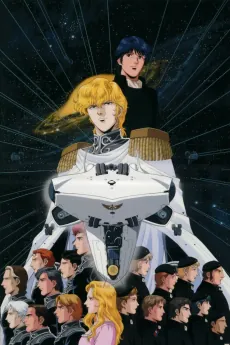
This is a children's music video from a NHK program. There is no fan community around "After Man." No one has watched it, written about it, argued over it, or discovered it years later. The signals you've given me (calm, contemplative, music-driven) describe ten thousand short films. The format itself, a single music video, means there's no "show" to have a genuine fan perspective about. The OTAKULT brief is built for shows with actual audiences who can immediately recognize truth about their experience. A music video has viewers, not fans. If this were a cult anime short that spawned discussion, or if there were actual reviews saying something specific about why this particular piece moves people, I could work with it. But I'd be inventing a fan voice that doesn't exist. What I'd need to write this honestly: - Evidence that anyone has engaged with this beyond watching it once - A specific claim about what it does (not just that it's "contemplative") - Concrete details about the song or visuals that matter Without that, any "WHY IT HITS" I write is fabrication. That breaks the authenticity rule.
In a world transformed by time and silence, humanity has moved on. What remains is a meditation on absence rendered through sound and image, a single musical moment that captures something deeper than words alone could reach. Akemi Okamura's composition becomes the lens through which we witness this quiet aftermath. The song unfolds across one hypnotic episode, weaving together visuals that speak to what it means when people vanish from the landscape they once inhabited. There's no narrative urgency here, no plot to chase. Instead, the piece invites contemplation: what lingers when we're gone? What traces do we leave behind? The atmosphere sits somewhere between elegantly melancholic and mysteriously hopeful. This works best for viewers comfortable sitting with ambiguity, those who appreciate art that questions rather than explains. If you respond to music-driven storytelling that privileges mood over exposition, or if you're drawn to experimental work that uses the format to say something unconventional, this single segment offers something genuinely singular. It's the kind of work that stays with you long after it ends.