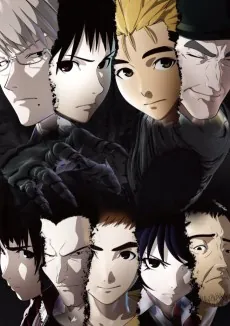
The entire trilogy collapses into Kei's actual powerlessness: he can't regenerate his way out of this, and neither can the audience pretend watching ajin kill each other matters anymore. Satou stops being a villain with a plan and becomes something worse, a force that destroys the world by simply existing in it. By the ending, you're not rooting for victory; you're watching two people try to survive a apocalypse they created together, and one of them has to lose.
The closing film of the Ajin trilogy picks up with Satou stripped of his power and Kei Nagai putting a plan into motion. Before that plan can play out, it starts falling apart: ajin extremists act, and the horrifying truth of what Satou really is comes to light. Kei is an immortal high schooler who is seen as a specimen to be hunted and experimented on rather than as a hero, and this supernatural horror mystery brings his story to its end.