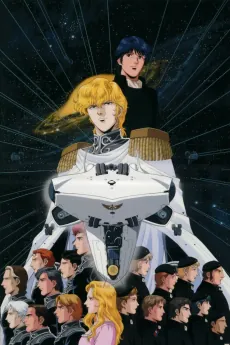
Evangelion doesn't put you in the cockpit, it puts you in Shinji's chest cavity and makes you sit there while he chants "I mustn't run away" and runs away anyway. Anno builds the spectacle first, Operation Yashima with the whole country's power grid funneled into one positron shot at Ramiel, Unit-01 going feral and tearing into Zeruel with its teeth, and then he turns the camera inward until the show is just crayon-drawn train seats and a boy being asked why he wants to be praised. The craft is in the silences: sixty seconds of Asuka and Rei standing in an elevator saying nothing, the held cuts on ceiling stains, Ode to Joy scoring a synchronized dance against Israfel. Then Episode 24 hands Shinji the first person who ever says he's worth loving, and he crushes him in a hand for three unbroken minutes. Yes, 25 and 26 collapse into folding chairs and congratulations, and half the people who start this drop it there. The other half never fully leave that apartment with Misato's beer cans and the penguin in the fridge.
Fifteen years after the disaster called the Second Impact, colossal beings known as Angels begin attacking Tokyo-3, and conventional weapons cannot stop them. Humanity's only defense is NERV, a secretive agency run by the cold Gendou Ikari, which fields giant humanoid robots called Evangelions. Only a few teenagers can pilot them. Gendou's 14-year-old son Shinji, long abandoned by his father and still scarred by his mother's loss, is summoned to the city because he can synchronize with Evangelion Unit-01. After meeting Misato Katsuragi, a senior NERV officer who treats him with a motherly warmth he has never known, Shinji fights the Angels even as piloting inflicts severe psychological harm, unaware of what his father is really planning. The result is a psychological sci-fi mecha drama with a strong thread of mystery.
WHERE TO WATCH
Streaming Neon Genesis Evangelion legally, as of the last catalog refresh. Availability changes by region.
Netflix