Miyazaki made a film with no dialogue at all, just the sound of a caterpillar waking up to the world. Every frame moves like he's remembering what wonder feels like before you learn to name it. A ten-minute masterclass in how much a master animator can say without words, watched by maybe a thousand people in a museum, forgotten by almost everyone else.
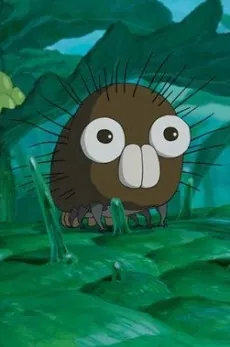
A newborn caterpillar named Boro hatches among patches of scrub grass just before dawn and takes in the world with fascination. He notices how bright the morning sun is and how delicious the air feels, and as light fills the grove, the groundsel leaves begin to photosynthesize. Stepping out into a world of friends and foes, Boro faces hungry predators and harsh weather on his own, in a patch of suburban Japan that seems vast to someone so small. Hayao Miyazaki made this short film for the Ghibli Museum, his first in CG and the tenth made for the museum, mixing computer graphics with hand-drawn animation to show the world through an insect's eyes. Every sound effect comes from the voice of Tamori.