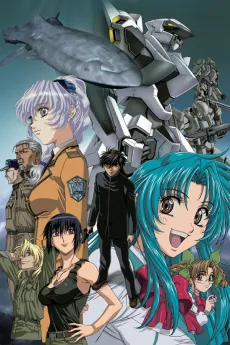
The mecha battles actually use tactics instead of just beam spam, and the time travel twist recontextualizes everything you thought you understood about why these pilots matter to each other. Aoba's confusion mirrors yours, which means the cryptic setup isn't a flaw, it's the point. By episode thirteen you realize the show spent thirteen episodes answering a single question: what does it cost to save someone who's already dead.
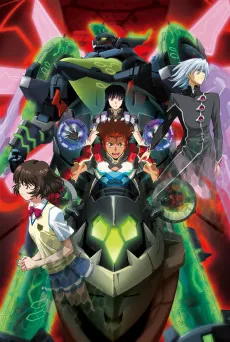
Aoba's ordinary high school existence shatters when a colossal robot appears out of the sky and hunts him through the city. Just as everything seems lost, his classmate Hina arrives in a mecha of her own, pulling him to safety with a cryptic message: someone named Dio is waiting. That rescue opens a door Aoba can't close. He soon becomes a pilot for the Free Treaty Alliance in its war against the Great Zogiria Republic. Now at the controls of a robot, Aoba finds himself thrown into military life and high-stakes combat. The show blends mecha action with the disorientation of being dragged into a war he never chose. Hina remains enigmatic, her connection to this larger conflict left unclear. For viewers drawn to mecha stories centered on one character swept up by forces beyond his control, this offers robot spectacle and real uncertainty about what comes next.
WHERE TO WATCH
Streaming Buddy Complex legally, as of the last catalog refresh. Availability changes by region.
CrunchyrollHuluTubi TV