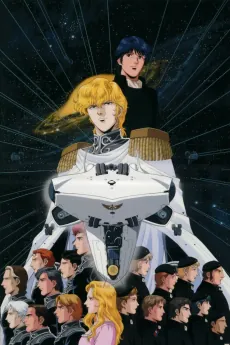
Harlock doesn't ask you to save the world because it's dying. It asks you to fight because humanity stopped being worth saving and someone has to prove it can be again. The 1978 animation moves like a living woodcut, every frame composed with such deliberate weight that dated tech becomes visual poetry. A man in a cape fights an empire because comfort is a slower death than any invasion, and that idea still cuts deeper than most anime made in the decades after.
In 2977, Earth has surrendered to comfort. Machines handle all labor, the population is pacified by hidden messaging, and idle officials care more about leisure pursuits such as golf and the races than about governing. Then a mysterious alien force called the Mazone invades, operating through women in cloaks who murder anyone suspicious of them. Captain Harlock rejects the complacency around him and commands the Arcadia, crewed by rebels who share his outlook. When Tadashi Daiba, marked for death by the Mazone, loses his scientist father to the invaders after the government brushed the man aside, he joins Harlock's pirates in their fight to protect humanity.
WHERE TO WATCH
Streaming Captain Harlock Space Pirate legally, as of the last catalog refresh. Availability changes by region.
CrunchyrollTubi TV