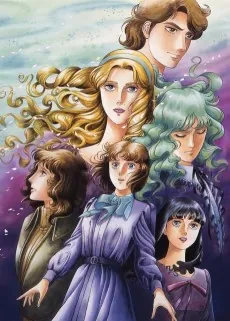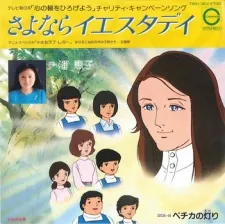
A real person's 14-year commitment to disabled children becomes something cinema rarely shows: patient, unglamorous, human. The anime doesn't perform Mariko's goodness for you, it sits with her in the quiet work of actually changing lives. The children aren't inspiration porn. They're the reason she keeps showing up, and by the end, you understand why that matters more than any narrative arc could prove.
Actress Mariko Miyagi becomes deeply involved with the Silk Tree Academy, known in Japanese as Nemunoki Gakuen, a rehabilitation center for disabled children. The film follows the fourteen years in which she oversees the academy and her bonds with several of the children there. The story is split into four chapters, one for each season, and the characters are drawn realistically after the real people involved. The drama is based on a story by Miyagi herself, and it aired as a television special during a charity event.