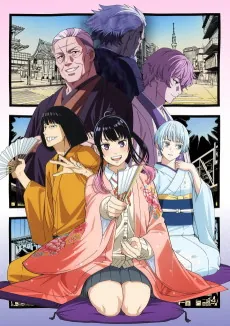
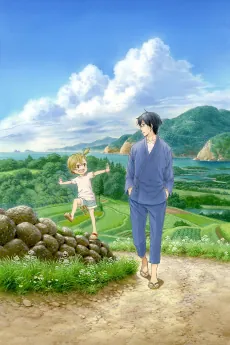
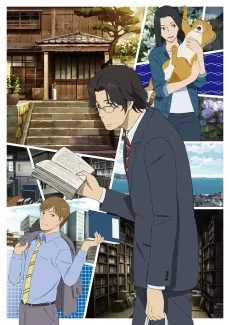
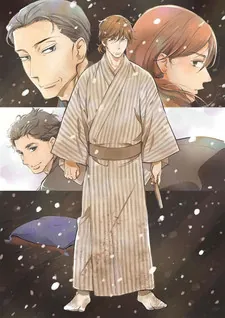
A dead man's voice comes back through his student's throat, and the show makes you understand why that matters. Yakumo locked everything, rage, desire, his whole self, into a single story called "Shinigami," and Yotaro spends the series learning that inheriting a technique means inheriting the ghost inside it. The pacing moves like rakugo itself: slow, deliberate, crushing you with quiet moments that rewire what you thought the whole thing was about.
Yotaro has earned his place as a rakugo storyteller, rising from ex-convict to shin'uchi under the renowned Yakumo. Now holding the name of the third Sukeroku, he still struggles to find his own style, torn between his master's teachings and the approach of the late Sukeroku. Yakumo remains a brilliant performer but fears his aging body is reaching its limits, while rakugo itself is in danger of fading away. Konatsu intends to raise her son alone, and Yotaro wants to marry her and raise the boy as his own. For Yakumo and Konatsu, he hopes to change how they both see Sukeroku. This drama brings Yotaro and Yakumo's story to its close.
WHERE TO WATCH
Streaming Descending Stories: Showa Genroku Rakugo Shinju legally, as of the last catalog refresh. Availability changes by region.
Crunchyroll