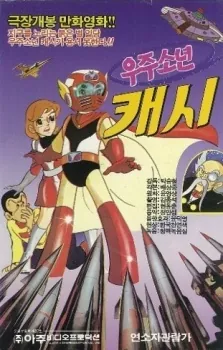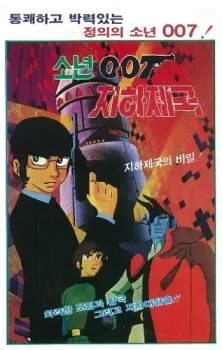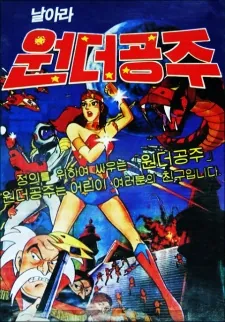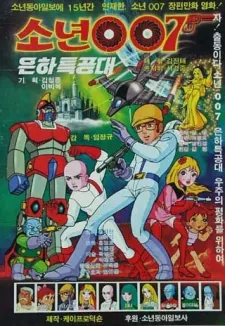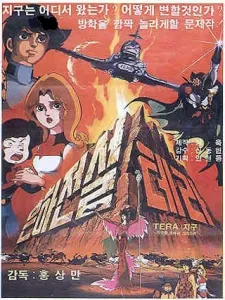
Korean cinema in 1983 had no business making a space opera this ambitious. This is a film that swings for something massive: real miniature work, practical effects, genuine world-building on a budget that should have collapsed under its own weight. What hits hardest is that it actually succeeds, building something that feels lived-in and dangerous instead of cheap. The pacing moves like a western through the stars, letting scenes breathe instead of cutting to death. Nobody talks about this one because Western film history forgot to look east. That's the only reason it's still sleeping.
Han Tae-il wakes up inside a capsule and, thinking he has landed on a new star called Sirius, sets out to explore it. After he rescues Woo Yang-yang and Woo Ari, they tell him the world he is on is actually Earth. Tae-il turns out to be a member of the Sirius expedition, and he begins to stand against Queen Hwanma, who intends to rule the planet. Released in 1983, this Korean space opera film mixes action and adventure with science fiction.