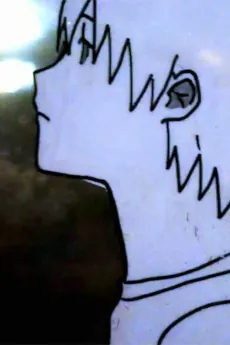
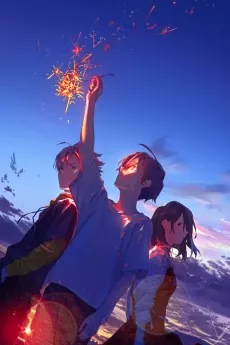
The film moves like a dream someone is trying to describe before it dissolves, surreal details bleeding into real ones, a kid riding a bed to school, a lighthouse keeper talking to seagulls, then the ocean crashes in and takes it all. Everyone in this world is imagining tomorrow until the moment reality doesn't care about their imaginations anymore. It's quiet and strange and specific in a way that stays with you because it refuses to explain itself or apologize for what it is.
Young Teto travels to school riding on his bed, while a solitary lighthouse keeper turns to a seagull to ask for breakfast. All around them, different people picture the days ahead through their imaginations. But reality rolls in like rough surf and breaks over those imagined worlds, and Teto drifts off into the darkness. The movie is a short film that grew out of a winning pitch from the KODANSHA Cinema Creators' Lab.