These four stories don't jump at you, they settle into your skin like something cold that's been sitting still for years. The animation moves with deliberate dread, treating mundane spaces like abandoned fridges and empty bridges as landscapes that remember things. The soundtrack knows exactly when silence is more horrifying than noise, turning a flea market purchase or a misplaced statue into the kind of thing you'll remember at 3 AM. This is horror that trusts you to be afraid of implications rather than images. Nobody talks about this one, and that's exactly the point, it stays quieter, which makes it harder to shake.
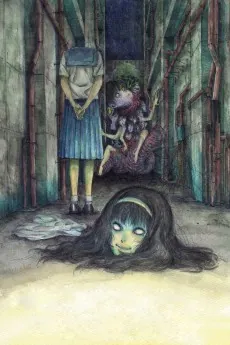
Six separate horror stories drawn from Japanese urban legend share a single OVA, each set in an ordinary place where something has gone wrong. A discarded refrigerator by a dry riverbed carries a terrible story. A sculpture stands out of place on top of a building. A boy crosses a long bridge at night and meets a ghost. A flea market purchase leads a man to an ironic end. A railroad crossing keeps claiming lives in a string of deadly accidents no one can explain. Summer vacation in a quiet countryside brings a boy a mysterious experience. The tales are rendered in the recognizable art style of Kimura Toshiyuki, and the ending theme is performed by Leilani, an artist produced by Sudoh Akira.