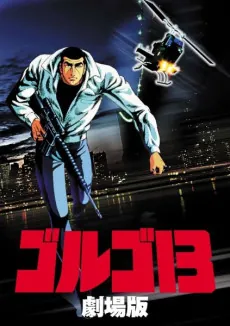
Golgo 13 is a man so functionally invisible that watching him work feels like witnessing a ghost move through solid walls. The real movie is what happens to the people hunting him, Dawson unravels into obsession while every trap, every resource, every soldier becomes another proof that some targets are unreachable. This isn't a revenge story pretending to be about the victim; it's a portrait of a man's mind breaking against the immovable object of professional indifference.
Golgo 13 kills the son of wealthy businessman Leonard Dawson, and the father strikes back by personally hiring the CIA and the U.S. Army to eliminate the assassin. The hunter becomes the hunted as attempt after attempt is launched against him. As the days go by, Dawson keeps plotting new ways to kill Golgo 13 and slowly loses his mind. He never bothers to learn who paid for his son's death. The result is a 1983 action adventure film with a dramatic edge.