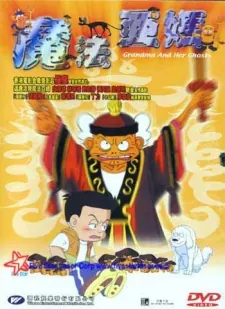
A kid applies his grandma's tears to his eyes and suddenly sees the invisible dead wandering through her house. That single image, the casual intimacy of folk magic, the immediate consequence, tells you everything about how this film lives in the gap between childhood wonder and genuine dread. Grandma isn't explaining the ghost month or performing ceremonies for exposition; she's actually doing the work, and DouDou walks into her life mid-ritual, which means you're never safe on solid ground. The devil's trick works because it sounds like a gift, and by the time DouDou realizes what he's actually seeing, he's already responsible for letting something out that was supposed to stay locked away. This is what happens when you respect the rules of a culture instead of using them as decoration.
DouDou arrives at Grandma's house during the seventh lunar month, when the gate to the spirit world opens. His grandmother is no ordinary woman: she holds Taoist ceremonies for the dead and speaks with ghosts. Everything changes when DouDou accidentally frees a devil trapped inside an urn. The devil takes over a drowsy house cat and tells the boy he can see invisible friends by putting Grandma's tears on his eyelid. DouDou has no idea that this is part of the devil's scheme to devour every ghost. The animated feature is a Taiwanese fantasy adventure that premiered at the Vancouver Film Festival in 1998.