This is a historical romance where the emotional stakes are real, not manufactured by misunderstanding or jealousy, but by actual conflict between two people who love each other and can't compromise on who they need to be. Benio doesn't soften into traditional femininity to keep her man. The Lieutenant doesn't ask her to. They break because the world is breaking them, not because the script needs drama. The middle drags, and the plot announces itself from a mile away, but neither of those things matters once you understand that this entire film is about two people trying to hold onto love while holding onto themselves. That tension is specific to this story, this era, these two characters. By the end, you're not moved because the romance was complicated, you're moved because it was honest.
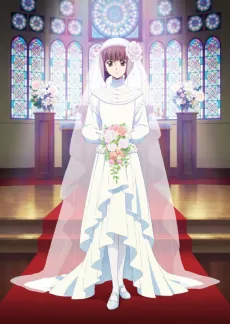
Benio Hanamura refuses to be confined by the expectations placed on women in early 1900s Japan. While society expects women to keep house and serve their husbands instead of chasing their own dreams, she finds her strongest ally in Lieutenant Shinobu Ijuin, the one man who believes in her independence. Then he disappears into war. When Shinobu returns to Japan, he's a stranger to himself. His memories are gone, and with them, any recollection of Benio or the bond they shared. Now she faces an impossible choice: surrender to an arranged marriage with another man, or risk everything to remind Shinobu who he really is and what they meant to each other. The second of two films adapting Haikara-san ga Tooru, this continuation balances comedy and heartbreak as Benio's determination to shape her own future runs up against the very real possibility of losing the man who stood by her. The romance plays out in a Japan caught between tradition and progress.
WHERE TO WATCH
Streaming Haikara-san: Here Comes Miss Modern – Part 2 legally, as of the last catalog refresh. Availability changes by region.
CrunchyrollAmazon Prime VideoTubi TV