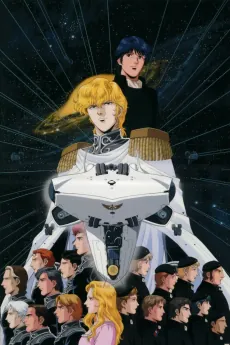
Nobody talks about this one. A single music video from a children's program in the 1970s, lost for decades, finally surfaces as proof that something genuinely beautiful existed in a format nobody thought to preserve. The song carries the weight of spring itself, and the visuals move with it, quiet and inevitable. This is what it feels like when a real artist remembers what a children's program is supposed to do: not entertain, but touch something true. By the time it ends, you understand why people searched for it.
A children's choir takes center stage in this vibrant musical short that captures the spirit of spring through song. The Tokyo Arakawa ensemble performs "Haru no Kaze," a composition that radiates warmth and renewal, backed by colorful animation that brings the season's energy to life. What makes this piece special is its simplicity paired with genuine heart. Young voices carry melodies that feel both timeless and immediate, creating an intimate connection despite the broadcast format. The visuals complement every note, weaving together the kind of wholesome storytelling that defined educational television at its best. Viewers drawn to innocent, music-driven storytelling will find themselves transported to a moment when television celebrated children's artistry without irony or complication. The piece exists now primarily in memory and scattered archives, making it a rare window into a specific era of Japanese children's programming. Whether you're exploring media history or simply seeking something pure and unpretentious, this short offers exactly what its title promises: the gentle breeze of spring, rendered in song and color.