Makoto works the space between gangs not because he's a hero, but because he's the only one who understands that Ikebukuro's violence is a language, and he's fluent in it. The show doesn't romanticize his role as fixer; every problem he solves bleeds into the next one, every favor owed becomes a noose around his neck. When death finally catches up to him, it doesn't feel like a plot twist. It feels inevitable, like watching someone walk into traffic they've been navigating perfectly until the day they can't.
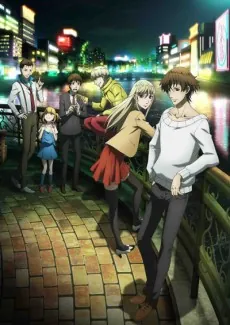
Makoto Majima is a well-known troubleshooter in Ikebukuro, a crime-heavy Tokyo district crowded with businesses, violent gangs and the yakuza. He knows the neighborhood inside and out, settles disputes between rival factions to protect his friends, and handles problems the police cannot. The G-Boys, the most powerful gang in the area, help him keep the peace under their ruthless, charismatic leader Takashi Andou. When a new group called the Red Angels starts pushing into G-Boys territory, tensions spike, and enemies surface both outside and inside the gang. Rising violence costs Makoto someone close to him. While he keeps working his cases, he gradually uncovers a scheme that could spark open war across Ikebukuro. The show is a drama and mystery adapted from Ishida Ira's urban mystery novels.
WHERE TO WATCH
Streaming Ikebukuro West Gate Park legally, as of the last catalog refresh. Availability changes by region.
Crunchyroll