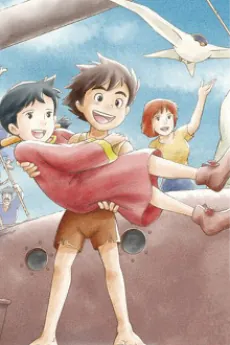
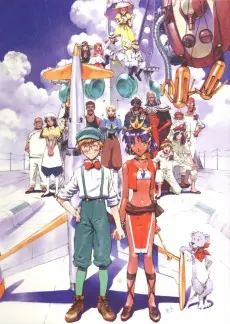
The 1974 animated Jack and the Beanstalk swings hard in a direction Disney never took it, weird, dreamlike, unapologetically strange. Epic orchestral music plays over scenes that don't quite add up, a world where Princess Margaret loves Prince Tulip's cruelty like it's romantic, where logic bends to match the fever dream the story is already living in. Some of it feels padded, stretched thin to fill time. The magic isn't in perfect narrative coherence; it's in watching a fairy tale mutate into something only this specific animation studio, at this specific moment, could have made. Kids who stumble onto this decades later find themselves rewatching it not because it's good in any conventional sense, but because nothing else feels quite like it.
Young Jack is tricked into swapping his family's prize cow for a handful of beans. When they grow overnight into a vine that climbs past the clouds, he and his dog Crosby go up and find an enchanted kingdom full of treasure. Princess Margaret rules there, and she adores Prince Tulip even though he is ugly and harsh-tempered. Her devotion is no accident: Madam Noir, a wicked witch, has put a spell on her so she will wed Tulip, the witch's only son. Jack must try to save the princess from that marriage. Gisaburo Sugii directs this loose, vividly colored fantasy retelling of the classic fairy tale.