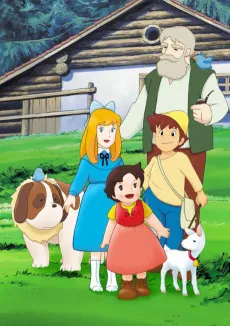
A child's entire life burns down, then burns down again. Julie moves from mountain freedom to Vienna's suffocating streets, loses her family to war, watches her new one crumble into poverty, each loss compounds the last. The show doesn't give her a redemption arc or soft landing; it lets her grieve properly, which is what makes it stay with you long after it ends.
Eleven-year-old Julie Braun grows up among the green mountain pastures of Southern Tyrol in Austria until Italian soldiers kill her parents. She is sent to Vienna to live with her relatives, the Clementes. Julie becomes friends with her cousins Johan and Tanya, but settling in with Uncle Karl and Aunt Klara proves difficult. When Austria enters World War I, Karl loses his job at a glass factory, and the family is pushed into hardship. The short TV drama mixes adventure and music into the story of a girl starting over in a new home.