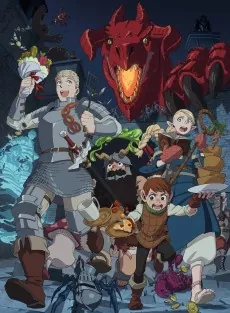
Aoi's still running the inn, still cooking her way through supernatural debt, still refusing to marry the ogre who owns her life, and the show knows that's enough. Season 2 doesn't chase spectacle; it deepens what worked: the quiet sting of gratitude when food actually reaches someone who needed it, the way spirits become less scary when you feed them properly. The animation tightens in the moments that matter, when steam rises from a bowl, when a guest's face softens, and pulls back everywhere else, trusting that a girl and her cooking are more interesting than flashiness.
Aoi, a girl who can see the spirits called ayakashi, carries on her work at the Tenjin-ya bed and breakfast. An ogre, Odanna, once demanded she settle her grandfather's debt by marrying him. She turned him down and chose to work off what her family owes instead. Picking up where the first season ended, this supernatural romance and slice-of-life drama brings Aoi fresh trouble among the ayakashi and new challenges at the inn.
WHERE TO WATCH
Streaming Kakuriyo -Bed & Breakfast for Spirits- 2 legally, as of the last catalog refresh. Availability changes by region.
CrunchyrollYouTube