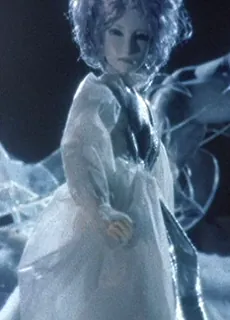
An old couple gives straw hats to stone Buddhas on a snowy road. That simple act of kindness becomes the entire story, and the movie trusts you to feel its weight without explaining it. The reward that comes isn't about getting rich or magic, it's about being remembered, being seen, having mattered to someone. This is what comfort actually means: watching goodness move through the world without apology or irony, then watching it come home.
Adapted from the Japanese folktale of Kasa Jizou, this short fantasy film centers on an elderly couple and a set of Jizou statues standing out in the snow. The couple gives the statues hats, called kasa, to wear against the wintry weather, and the Jizou later repay that kindness with a reward. The result is a simple story in which a small act of generosity is returned.