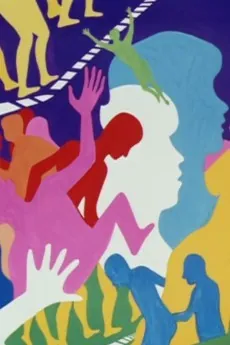
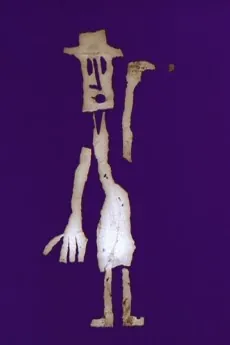
Nobody talks about this one. Kuri builds an entire world from the smallest possible gestures, a stamp, a face, a moment of connection that has no right to be funny but is. You're watching someone invent a new language for animation before animation knew it needed inventing. The economy of it hits different from everything else in 1961: no spectacle, no noise, just a precise hand showing you how much story lives in the space between frames. By the time it ends, you realize you've watched something that should not work and absolutely does.
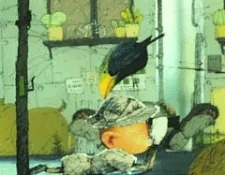
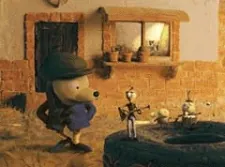
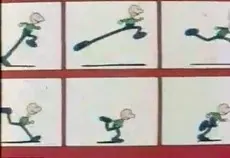
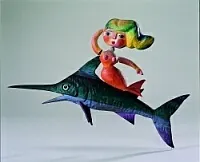
A stamp collection comes alive in ways no collector could have imagined. What begins as ordinary postal illustrations suddenly warps into surreal, comedic chaos as the static images on each stamp start moving, morphing, and interacting with each other in bizarre ways. Characters emerge from the perforated edges, scenarios twist into unexpected directions, and the laws of animation itself seem negotiable. This 1961 experimental piece treats animation as pure visual play rather than narrative. There's no traditional story to follow, just a cascade of imaginative transformations and absurdist humor that feels liberated from conventional storytelling rules. The film celebrates what animation can do when freed from plot obligations: bend reality, defy physics, and find comedy in pure form and movement. If you appreciate animation that prioritizes visual invention over plot, or if you're curious about how avant-garde techniques shape comedy, this short offers a window into a distinctly playful approach to the medium. It's brief but densely packed with the kind of creative experimentation that influenced decades of animation to come.