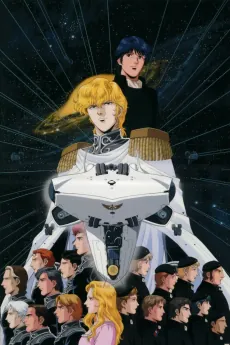
Nobody talks about this one. A single music video lost to time, built around Toshie Kusunoki's voice carrying something most anime won't touch, pure, unguarded emotion without narrative scaffolding to hide behind. The song does the work that would take a full series to earn elsewhere. What makes it matter isn't that it disappeared; it's that it was sharp enough to disappear into memory in the first place, the kind of moment that sticks with people who caught it and haunts the people who didn't.
A single musical moment captures the essence of childhood wonder through Toshie Kusunoki's haunting melody. The piece unfolds as pure audio-visual storytelling, where sound and image intertwine to create something that feels both intimate and universal. What begins as a simple song transforms into a window onto memory itself, the kind of tune that lodges in your mind and refuses to leave. The atmosphere carries a nostalgic weight, touching on themes of innocence and the passage of time without ever becoming maudlin. There's a dreamlike quality to how the visuals accompany the music, creating a sensory experience rather than a narrative with traditional plot points. The work exists somewhere between documentary and abstract art, grounded in the reality of a children's broadcast yet reaching toward something more profound. Viewers drawn to experimental music videos, forgotten television history, or the particular aesthetic of mid-century Japanese broadcasting will find themselves transfixed. This is media archaeology as art form: a glimpse into what once was broadcast and cherished before fading into obscurity, now resurfaced as a curious artifact deserving rediscovery.