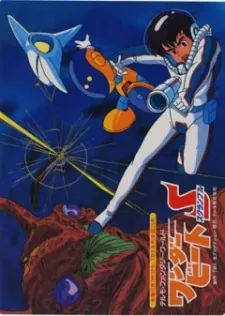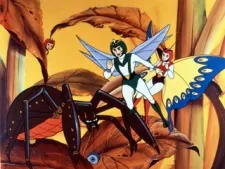
You're watching the world end through compound eyes. Microid S shrinks its hero down to insect scale not for adventure, but to make you feel how small human intervention has become against the machinery we've built. A 1973 show that understood environmental collapse wasn't coming, it was already here, just invisible if you stood at human height. The genius isn't the shrinking; it's that after you've seen the world this small, you can't unsee how carelessly we've scaled everything else. This is Tezuka doing what only animation could: making the invisible weight of ecological death into something you experience rather than observe from safety.
Environmental issues come into view from the perspective of insects in this 1970s science fiction TV series. Rather than growing larger like a conventional hero, the central character becomes tiny, and from that scale the familiar world turns strange and unfamiliar. Seen from below, the surroundings reveal a world rushing toward destruction.