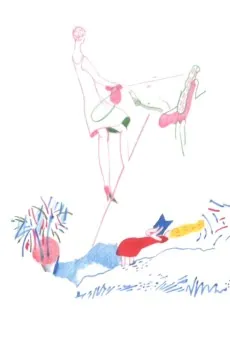
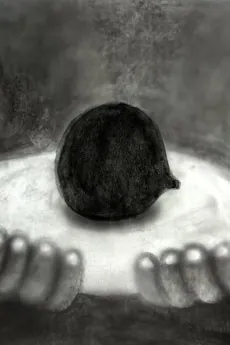
Alice walks into strangers' homes and you realize you're watching someone else's memory of love take physical form. Each house breathes differently, holds different shapes of care, whispers what matters to people who will never know you're listening. The film moves like you're half-asleep in afternoon light, and that's exactly when you see things clearly. Rewatch it and the same rooms mean something else entirely. This is the kind of small, precise work that makes you understand why some people need animation to say what words keep breaking on.
Alice wanders through a series of unfamiliar houses, each one revealing something different about the people who live within them. Without clear direction or purpose, she moves from threshold to threshold, guided only by impulse and curiosity. What unfolds isn't a conventional narrative but rather a collection of intimate moments: the spaces where people live, the objects they keep close, the quiet ways they express what matters to them. The film operates as a visual meditation on how love takes shape in everyday life. Not grand romantic gestures, but the small configurations of home that speak to what we cherish most. Some houses feel warm and lived-in. Others carry loneliness or longing. Through Alice's passive observation, we witness how domestic spaces become extensions of the heart, storing the hopes and attachments their inhabitants rarely voice aloud. This is visual storytelling that prizes atmosphere over plot, inviting you to sit with mood and image rather than chase answers. It's for viewers who find meaning in the spaces between moments and understand that sometimes a room tells you more about love than any dialogue ever could.