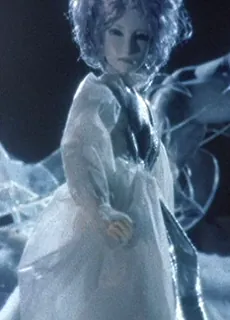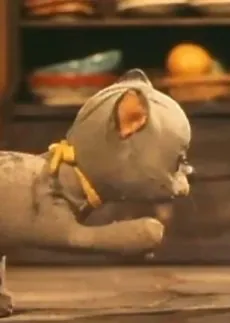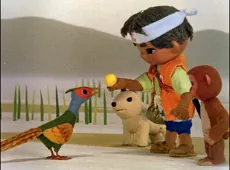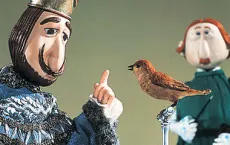
Stop-motion transforms the Nightingale's cage from a plot device into something you can physically feel closing around the bird. The film trades the story's sentimentality for texture, shadow, and the weight of each handmade frame. Andersen's tale about authenticity versus artifice becomes unbearably real when the emperor's mechanical replacement is literally sculpted in front of you, gleaming and hollow. This isn't a retelling that explains the fable to you. It's a film that lets you watch a kingdom choose the wrong song, one careful frame at a time. The animation does what prose cannot: it makes beauty and cruelty look identical.
Ousama to Nightingale is a stop-motion fantasy film that adapts Hans Christian Andersen's fairy tale The Nightingale. Rather than drawn animation, the story is brought to the screen through the stop-motion technique, retelling the classic Andersen story as a single movie.