A single episode that asks what happens when the past becomes more real than the present. Ura's slow excavation of forgotten data isn't just detective work, it's the weight of choosing what deserves to exist, and what deserves to stay buried. The film knows that some truths cost more than you're willing to pay, and it watches you realize that cost in real time.
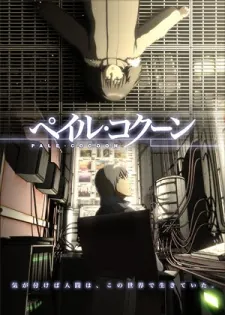
Ura works at the 92nd office of the Bureau of Record Excavation, restoring and analyzing records dug out of the ruins of a world whose history has lost its continuity. People now live in a decaying, fully artificial and enclosed world. The sea and sky are gone, and oceans and continents survive only as archived data. Ura is captivated by the past he restores. Riko watches him from a slight distance but refuses to look at the records herself, feeling that some things are better left unchanged. Everyone knows that learning about the past means facing the misery of the present. Then one day Ura restores a strange and unsettling video. Pale Cocoon is a single-episode science fiction drama built around memory, loss and the weight of the past.
WHERE TO WATCH
Streaming Pale Cocoon legally, as of the last catalog refresh. Availability changes by region.
Crunchyroll