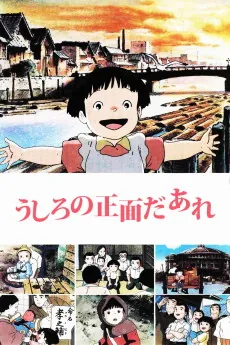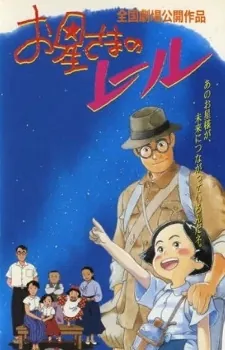
A child watches the world flip beneath her feet, and there's nothing she can do to stop it. The film doesn't ask you to choose a side in the occupation and resistance, it destroys that choice by showing you the cost in the faces of people she loves. What stays with you isn't the history lesson. It's Chiko realizing too late that her beloved maid was a person with her own survival to fight for, not just a supporting character in her own life.
Chiko carries memories of a childhood fractured by war and displacement. Growing up in Japanese-occupied Korea, she experiences the world through a child's eyes: her father leaving to fight, her baby sister's death from typhoid, and the dismissal of Ohana, the Korean maid she loves. Over time she comes to see that the Japanese rule the country and that Koreans suffer persecution under them. When the war ends, power shifts violently. The Japanese become refugees in a land that now rejects them. Russians arrive, forcing impossible choices. Chiko's family destroys photographs, erases evidence of their past, and joins desperate crowds fleeing southward toward the 38th Parallel. What emerges is a personal account of survival filtered through a young girl's consciousness, adapted from Chitose Kobayashi's autobiographical novel. Ordinary people caught between empires watch familiar worlds collapse and reform, guided by the North Star and the hope of reaching somewhere safe.