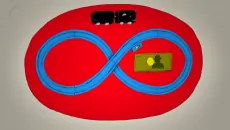
Anime Like REDTABLE
Studio 8 Dogs · MOVIE · 1 eps · 7 min/ep · Original
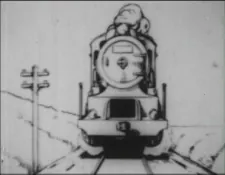
A boy plays with a toy train on a red table. Blood pools around the tracks. The film never explains which is the game and which is real, and it doesn't need to, the horror lives in how naturally cruelty enters play. Animation this controlled, this quiet, makes violence feel intimate instead of spectacular. You leave the theater understanding something about childhood you didn't before, and you'll wish more people had seen it.
A young boy plays with a toy train set on a red tabletop, and his absorbing game becomes tangled up with a bloodthirsty kind of greed. This single-film animation sets the charm of childhood play against a much hungrier impulse, and it handles the clash in a whimsical style.
// WATCH.NEXT
IF YOU LOVED REDTABLE, WATCH THESE NEXT



not sure what you're in the mood for? browse 40 house lineups.


