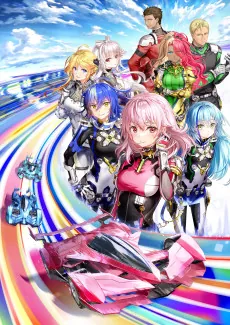
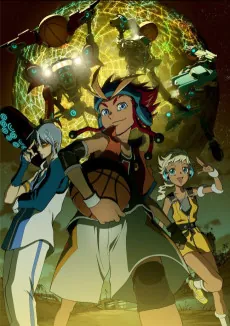
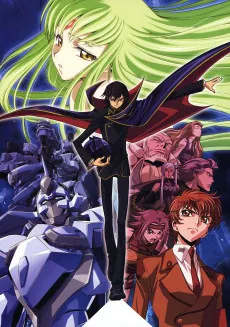
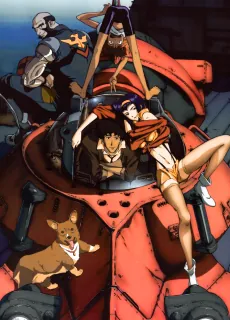
The first three episodes are genuinely perfect, Rin's relationship with Fuego feels alive in a way most mecha shows never achieve, built on grace and momentum instead of military jingoism. Then the show decides it's a political thriller, and that tonal whiplash never recovers. If you watch RideBack for the animation and character work in the early episodes, you'll understand why people get angry when it abandons both for a rushed war narrative that the 12-episode format can't support.
Rin Ogata was a rising ballet dancer until a serious injury ended her career. Years later, as a college student, she stumbles upon an unusual club building and becomes fascinated by a Rideback, a transforming robotic vehicle shaped like a motorcycle. Her dancer's sense of balance and finesse makes her a natural rider, and she forms a bond with a machine called Fuego. In a future where an organization called the GGP rules the world and crushes civil liberties, those same talents draw her into serious trouble with the government. Based on a manga by Tetsurou Kasahara, the show is a mecha action drama.
WHERE TO WATCH
Streaming RideBack legally, as of the last catalog refresh. Availability changes by region.
Crunchyroll